
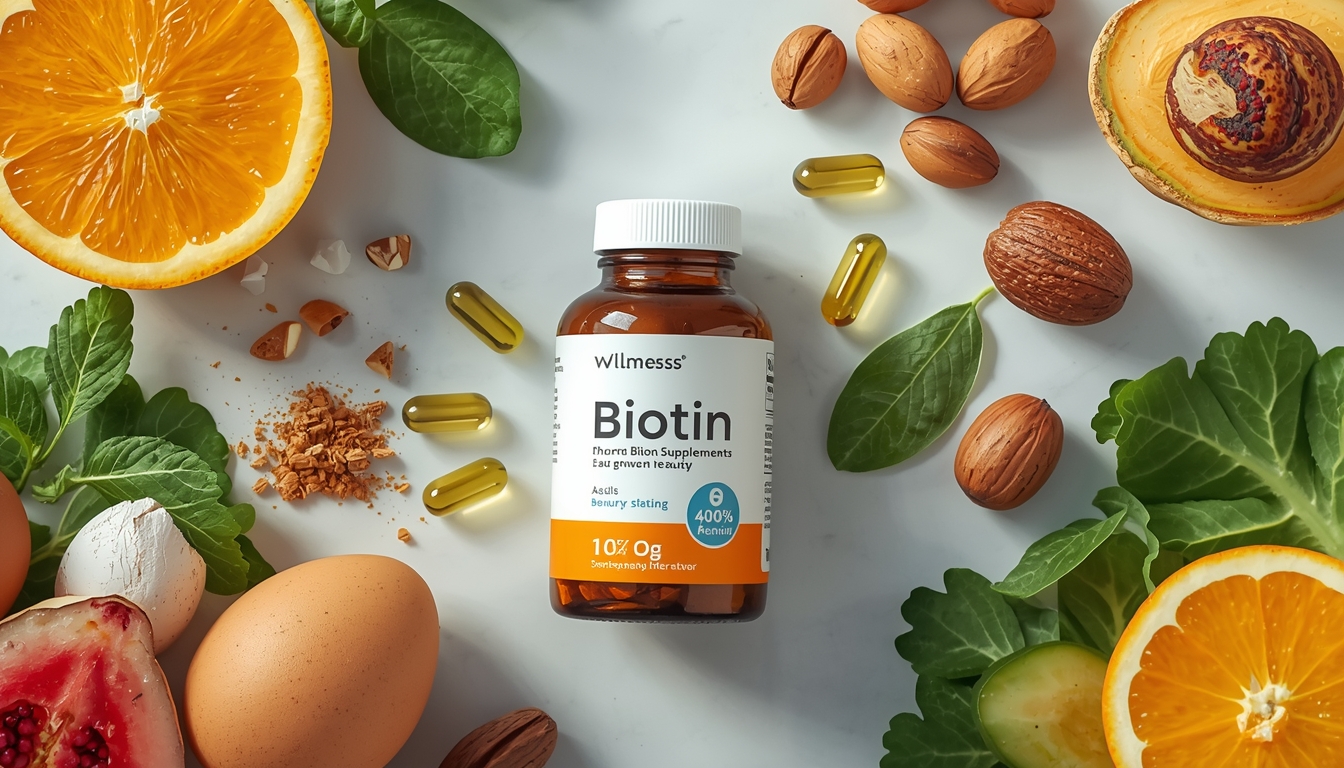
Discover Biotin benefits, side effects, dosage tips, and the best ways to use Vitamin H supplements for healthy hair, skin, nails, and energy.
Biotin is one of the most popular vitamins used for improving hair, skin, and nail health. Many people take biotin supplements hoping for stronger hair growth, healthier nails, and better energy support. However, biotin does much more than beauty support. It plays an important role in converting food into energy and supporting overall metabolism. Moreover, understanding the right dosage, possible risks, and best usage tips helps you get safe and effective results. In this guide, we’ll explore everything you need to know about biotin supplements in 2026.
What Is Biotin?
Understanding Biotin
Biotin is a water-soluble B vitamin, also known as Vitamin B7 or sometimes Vitamin H. It helps the body convert carbohydrates, fats, and proteins into usable energy.
Moreover, Vitamin H supports healthy skin, nervous system function, and enzyme activity. Since the body does not store large amounts of it, regular intake through food or supplements is important.
Natural Food Sources of Biotin
Before taking supplements, it helps to know where Vitamin H naturally comes from.
Common food sources include:
- Eggs
- Salmon
- Nuts and seeds
- Sweet potatoes
- Spinach
- Avocados
- Bananas
- Liver
- Mushrooms
- Dairy products
Therefore, many people already get enough Vitamin H from a balanced diet.
Top Benefits of Biotin Supplements
1. Supports Hair Growth
One of the biggest reasons people use Biotin supplements is hair health. Many believe it helps reduce hair thinning and improves hair strength.
However, Vitamin H works best when a person has an actual deficiency. It may not dramatically improve hair growth if your levels are already normal.
Still, it can support healthier-looking hair when combined with proper nutrition.
2. Strengthens Nails
Weak or brittle nails can be frustrating. Fortunately, Vitamin H may help improve nail thickness and reduce splitting.
In addition, regular use may support stronger nail growth over time, especially for people with fragile nails.
3. Improves Skin Health
Biotin contributes to healthy skin function. Low levels may lead to dryness, irritation, or flaky skin.
Therefore, some people notice smoother skin and better skin texture when correcting a deficiency.
4. Helps Energy Production
Vitamin H helps enzymes break down nutrients from food. This process supports energy production and metabolism.
Moreover, it plays a role in helping your body use glucose and amino acids efficiently.
5. Supports Pregnancy Health
Pregnant women may experience lower Vitamin H levels during pregnancy. Doctors sometimes monitor vitamin intake carefully during this stage.
However, always consult a healthcare provider before starting any supplement during pregnancy.
Potential Risks and Side Effects
Can Biotin Cause Problems?
Although Vitamin H is generally considered safe, taking too much may create problems, especially with medical testing.
Most people tolerate it well, but there are important things to know.
Common Side Effects
Possible side effects may include:
- Mild nausea
- Digestive discomfort
- Skin breakouts in some users
- Interference with lab test results
Interestingly, high-dose Vitamin H can affect blood test accuracy, including thyroid and heart-related lab reports.
Therefore, doctors often ask patients to stop supplements before certain tests.
Who Should Be Careful?
You should speak with a doctor if you:
- Take prescription medications
- Are pregnant or breastfeeding
- Have thyroid conditions
- Need regular blood testing
- Have underlying health issues
Safety always comes first when using any vitamin supplement.
Best Ways to Use Biotin
Recommended Daily Dosage
There is no universal high-dose requirement for everyone. Most adults need only small daily amounts.
Typical supplement doses range from:
- 30 mcg for basic nutritional support
- 1,000–5,000 mcg in beauty supplements
- Higher doses only under medical supervision
However, more is not always better. Excessive use may not provide extra benefits.
Best Time to Take Biotin
Many people take Vitamin H in the morning with breakfast. This helps with consistency and may reduce stomach discomfort.
Moreover, taking it with food can improve comfort for sensitive stomachs.
How Long Before Results Appear?
Results are usually not immediate.
For example:
- Nail improvements may take 2–3 months
- Hair support may take 3–6 months
- Skin improvements vary by individual
Consistency matters more than quick results.
Who Should Take Biotin?
People Who May Benefit Most
Not everyone needs a supplement. However, certain people may benefit more from Biotin.
These include:
- People with diagnosed Vitamin H deficiency
- Individuals with brittle nails
- People experiencing nutritional deficiencies
- Pregnant women under medical advice
- Those with digestive disorders affecting absorption
- Individuals following restrictive diets
Moreover, older adults may sometimes need closer vitamin monitoring.
Signs of Possible Deficiency
Low Vitamin H levels are rare but possible.
Symptoms may include:
- Hair thinning
- Skin rash
- Fatigue
- Brittle nails
- Mood changes
- Tingling sensations
If these symptoms appear, professional medical advice is the best next step.
Choosing the Best Biotin Supplement
What to Look For
Not all supplements are equal. Quality matters when choosing a product.
Look for:
- Third-party testing
- Clear dosage labeling
- Trusted brand reputation
- Minimal unnecessary fillers
- Doctor-recommended formulations
In addition, avoid extremely high doses unless specifically advised by a healthcare provider.
Capsules, gummies, and tablets all work—consistency is more important than form.
FAQs
1. What is Biotin mainly used for?
Biotin is mainly used to support healthy hair, skin, nails, and energy metabolism. It also helps the body process nutrients from food.
2. Does Biotin really help hair growth?
Biotin may help hair growth mainly in people with a deficiency. If levels are already normal, results may be less noticeable.
3. Can I take Biotin every day?
Yes, most people can take Vitamin H daily when using recommended doses. However, it is best to follow label instructions or medical advice.
4. Does Biotin cause acne?
Some users report breakouts, although this does not happen to everyone. Reactions vary depending on dosage and individual sensitivity.
5. How long does Biotin take to work?
Visible results often take several weeks to months. Hair and nail improvements usually require consistent long-term use.
Conclusion
Biotin remains one of the most popular supplements for beauty and wellness, but it offers more than just hair support. From stronger nails to better metabolism and skin health, its benefits can be valuable when used correctly.
However, smart supplementation matters. Choosing the right dosage, understanding risks, and knowing whether you truly need it makes all the difference.
If you’re considering adding biotin to your daily routine, start with quality products and professional guidance. That way, you can enjoy the benefits safely and effectively in 2026 and beyond.
Read More: 7 Amazing Facts About Whitney Leavitt Biography: Age, Husband, Career & Net Worth