


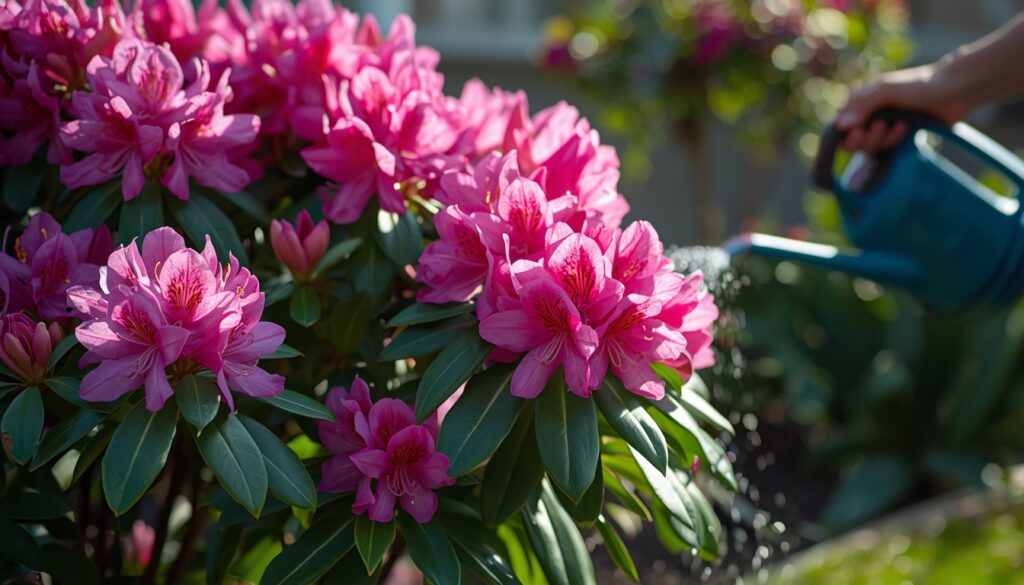
Learn expert rhododendron care tips for planting, watering, pruning, and healthy blooms. A complete guide for thriving plants year-round.
Rhododendron Care Guide: Planting, Watering & Pruning Tips
A healthy rhododendron can transform any garden with vibrant blooms, glossy leaves, and long-lasting beauty. However, many gardeners struggle with yellow leaves, poor flowering, or weak growth because they miss a few key care steps. The good news is that proper rhododendron care is simple when you understand the plant’s needs.
From choosing the right soil to proper watering and seasonal pruning, this guide covers everything you need. Moreover, these expert-backed tips help both beginners and experienced gardeners grow stronger, healthier shrubs with confidence.
Author Experience Note
I’ve worked with flowering shrubs in home landscapes and garden restoration projects for years, and azalea is one of the most misunderstood plants. Many people treat it like a standard shrub, but it has very specific soil, moisture, and pruning needs. Once those are handled correctly, the difference in growth and bloom quality is dramatic.
Quick Answer Section
What is Rhododendron?
A rhododendron is a flowering evergreen or deciduous shrub known for its large clusters of colorful blooms and attractive foliage. It thrives best in acidic, well-drained soil with partial shade and consistent moisture.
Proper azalea care includes:
- Planting in acidic soil
- Watering deeply but not excessively
- Mulching around roots
- Light pruning after flowering
- Protecting roots from extreme heat
When these basics are followed, azalea can thrive for decades.
Why Is Rhododendron Care Important?
azalea have shallow roots and specific soil preferences, so incorrect care quickly causes visible problems. Poor drainage, alkaline soil, or heavy pruning often lead to weak flowering.
Therefore, understanding proper maintenance helps prevent:
- Root rot
- Leaf yellowing
- Flower bud failure
- Winter damage
- Slow or stunted growth
Healthy plants reward gardeners with stronger blooms and longer lifespan.
How to Plant Rhododendron Correctly
The best planting method creates strong roots, better blooms, and disease resistance.
Step 1: Choose the Right Location
Rhododendrons prefer:
- Morning sun
- Afternoon shade
- Wind protection
- Well-drained soil
- Space for airflow
Avoid full harsh sun because leaf scorch is common, especially in hotter climates.
Step 2: Check Soil pH
azalea need acidic soil between pH 4.5 and 6.0.
If your soil is too alkaline, growth slows and leaves turn yellow. In addition, blooms become weaker.
Use:
- Pine bark
- Peat moss
- Compost for acid-loving plants
- Sulfur (if needed)
Step 3: Plant at the Correct Depth
Never plant too deep.
The root ball should sit slightly above soil level because azalea roots need oxygen. Deep planting is one of the most common mistakes.
Step 4: Mulch the Base
Apply 2–3 inches of mulch using:
- Pine needles
- Bark mulch
- Leaf compost
However, keep mulch away from the main stem to prevent rot.
How Often Should You Water Rhododendron?
A rhododendron needs deep, consistent watering—not daily shallow watering.
Water:
- 1–2 times weekly during dry weather
- More often in hot summer months
- Less during rainy seasons
Young plants need more attention than established shrubs.
Best Watering Practices
- Water early morning
- Soak the root zone deeply
- Avoid wetting leaves late evening
- Never allow standing water
Overwatering causes root rot faster than underwatering causes damage.
How to Prune Rhododendron Properly
Pruning helps shape the shrub, improve airflow, and encourage stronger blooms next season.
When Should You Prune?
The best time is right after flowering ends.
If you prune too late, you may remove next year’s flower buds.
What to Remove
Focus on removing:
- Dead branches
- Diseased stems
- Crossing branches
- Weak interior growth
- Spent flower clusters (deadheading)
Light vs Hard Pruning
| Type | Purpose | Best Time |
|---|---|---|
| Light pruning | Shape and maintenance | After blooming |
| Hard pruning | Rejuvenation of old plants | Early spring |
Most azalea plants only need light annual pruning.
What Fertilizer Does Rhododendron Need?
azalea need fertilizer made for acid-loving plants.
Choose fertilizers designed for:
- Azaleas
- Camellias
- Blueberries
- Rhododendrons
Fertilizing Tips
Apply:
- Early spring
- Lightly after blooming if needed
Avoid heavy nitrogen feeding because it encourages leaves instead of flowers.
Also, never fertilize during late summer since new growth may suffer winter damage.
Common Rhododendron Problems and Solutions
Yellow Leaves
Usually caused by:
- Alkaline soil
- Poor drainage
- Iron deficiency
Solution:
Test soil pH and improve drainage first.
No Flowers
Often caused by:
- Too much shade
- Improper pruning
- Winter bud damage
- Excess fertilizer
Solution:
Increase filtered sunlight and prune only after flowering.
Brown Leaf Edges
Usually from:
- Drought stress
- Wind burn
- Winter damage
Solution:
Mulch roots and improve watering consistency.
Step-by-Step Seasonal Rhododendron Care
Spring
- Inspect winter damage
- Apply mulch
- Fertilize lightly
- Watch for pests
- Water during dry periods
Summer
- Maintain moisture
- Deadhead flowers
- Monitor leaf health
- Protect from intense afternoon sun
Fall
- Reduce fertilizer
- Deep water before frost
- Add fresh mulch layer
Winter
- Protect young shrubs from harsh wind
- Avoid frozen soil dryness
- Watch for heavy snow branch damage
Seasonal care prevents major long-term issues.
Comparison Table
Rhododendron vs Azalea: What’s the Difference?
| Feature | Rhododendron | Azalea |
|---|---|---|
| Leaves | Larger, thicker | Smaller, thinner |
| Flowers | Large flower clusters | Smaller blooms |
| Evergreen types | Very common | Less common |
| Pruning needs | Light shaping | Often more frequent |
| Growth habit | Larger shrubs | Smaller compact shrubs |
Both belong to the same plant family, but rhododendrons usually need more space.
Expert Tips Section
Pro Tips for Better Rhododendron Growth
Use Rainwater When Possible
Tap water in some areas is alkaline, which slowly affects soil pH. Rainwater is often better for acid-loving plants.
Avoid Heavy Foot Traffic Near Roots
azalea have shallow roots close to the surface. Compacted soil reduces oxygen and growth.
Deadhead Carefully
Remove spent blooms by hand without damaging new buds forming underneath.
Never Ignore Drainage
If water sits around roots, problems start fast. Raised beds often solve this issue.
Watch for Lace Bugs
These pests cause leaf discoloration. Early detection makes treatment much easier.
FAQs
How much sunlight does rhododendron need?
Rhododendron grows best in partial shade with morning sun and afternoon protection. Too much direct sun causes leaf burn, while too much shade reduces flowering.
Can rhododendron grow in pots?
Yes, rhododendron can grow in large containers if the pot has excellent drainage and acidic potting mix. Regular watering becomes more important in containers.
Why are my rhododendron leaves turning yellow?
Yellow leaves usually indicate poor drainage, alkaline soil, or nutrient deficiency. Soil testing is the best first step for accurate diagnosis.
Should I cut back rhododendron every year?
No, heavy yearly pruning is unnecessary. Most plants only need light shaping and dead branch removal after flowering.
What month does rhododendron bloom?
Most rhododendrons bloom in spring, typically from April to June depending on climate, variety, and growing conditions.
Conclusion
Growing a beautiful rhododendron is not about complicated gardening tricks—it’s about meeting the plant’s natural needs consistently. Acidic soil, smart watering, proper pruning, and seasonal maintenance create stronger roots and better blooms year after year.
Moreover, small improvements like better mulch or improved drainage often make the biggest difference. Start with the basics, stay consistent, and your rhododendron will reward you with healthier foliage and stunning flowers for many seasons.
If your garden includes acid-loving plants, now is the perfect time to improve your care routine and create a landscape that truly thrives.
Read More: 12 Powerful Home Improvement Ideas for 2026: Stylish and Practical Upgrades for Modern Living