


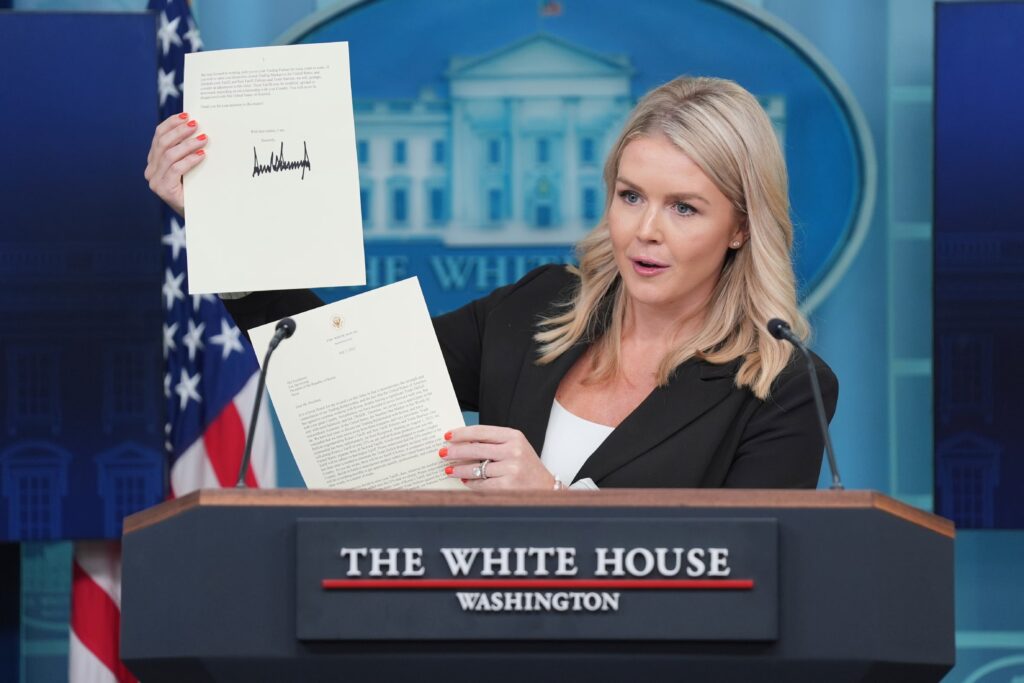
Stay updated with trump tariff news 2026. Discover key policy changes, global reactions, economic impact, and what it means for businesses worldwide.
Trump tariff news continues to dominate global headlines in 2026. From rising import duties to fresh trade negotiations, these policy moves are reshaping international markets. Investors, business owners, and consumers are watching closely.
Moreover, new tariff adjustments are influencing supply chains, inflation rates, and diplomatic relations. Therefore, understanding the latest developments is more important than ever. In this article, we break down the biggest updates, explain their global impact, and show what they mean for you.
Overview of Trump Tariff Policy in 2026
In 2026, trade policy once again sits at the center of U.S. economic strategy. The current trump tariff news highlights a renewed focus on protecting domestic industries. As a result, tariffs on selected imports have increased.
President Donald Trump has emphasized “America First” trade principles. Therefore, the administration has expanded duties on key goods, including steel, aluminum, electronics, and electric vehicle components.
However, these measures aim to reduce trade deficits and strengthen American manufacturing. Supporters argue that tariffs boost local jobs. Critics, on the other hand, warn about rising consumer prices and strained global relations.
Key Updates in Trump Tariff News 2026
Several major developments have shaped trump tariff news this year. Let’s look at the most important ones.
1. Expanded Tariffs on Chinese Imports
The U.S. has raised tariffs on select imports from China. These include technology components and renewable energy equipment. Consequently, trade tensions have intensified once again.
Moreover, negotiations between Washington and Beijing remain uncertain. Although talks continue, both sides have adopted firm positions.
2. New Tariff Reviews on European Goods
The administration has also reviewed trade agreements with the European Union. As a result, certain luxury goods and automobiles may face higher import duties.
However, European leaders have expressed concerns about retaliatory measures. Therefore, diplomatic discussions are ongoing.
3. Strategic Tariffs on Emerging Markets
In addition, tariffs now target specific industries in emerging markets. For example, solar panel imports face stricter pricing reviews. The government claims these measures prevent unfair competition.
Overall, these policy shifts define the current wave of trump tariff news in 2026.
Impact on the U.S. Economy
Tariffs directly affect the U.S. economy in several ways. First, they raise the cost of imported goods. Therefore, companies that rely on foreign materials often face higher production expenses.
However, domestic manufacturers may benefit. For example, steel producers report increased demand due to higher foreign prices. As a result, some industries see short-term growth.
Inflation and Consumer Prices
Higher tariffs often lead to increased prices. Retailers may pass additional costs to consumers. Consequently, inflation pressures can rise.
Moreover, small businesses feel the impact faster than large corporations. They usually have limited flexibility in absorbing costs. Therefore, many adjust pricing strategies or reduce margins.
Job Market Effects
Supporters argue that tariffs protect American jobs. In certain sectors, employment has stabilized. However, export-driven industries may suffer if other nations impose counter-tariffs.
Thus, the overall economic effect remains mixed. It depends heavily on industry and global response.
Global Trade and International Response
The global impact of trump tariff news extends far beyond U.S. borders. Trade partners have responded cautiously but firmly.
Reaction from China
China has criticized the new tariffs. In response, it has hinted at countermeasures targeting American agricultural exports. Therefore, farmers could face new challenges.
However, both countries continue back-channel discussions. Many analysts believe negotiations may resume later this year.
European Union’s Position
The European Union has warned that higher tariffs could violate trade agreements. Moreover, European policymakers have prepared contingency plans.
Nevertheless, leaders on both sides aim to avoid a full-scale trade conflict. Diplomatic efforts remain active.
Emerging Economies
Countries in Southeast Asia and Latin America are adjusting trade routes. For example, manufacturers are relocating operations to avoid tariff-heavy regions.
As a result, global supply chains are shifting once again. This restructuring could reshape trade flows for years.
Effects on Consumers and Businesses
Tariff policies influence everyday life more than many realize. For consumers, higher tariffs often mean higher prices on electronics, cars, and household goods.
Moreover, businesses must rethink sourcing strategies. Many companies diversify suppliers to reduce risk. Therefore, supply chain management has become a strategic priority.
How Businesses Can Adapt
Companies can respond effectively by:
- Diversifying suppliers across multiple countries
- Negotiating long-term contracts
- Investing in domestic production
- Monitoring ongoing trump tariff news closely
In addition, businesses should stay informed about regulatory updates. Quick adaptation often makes the difference between profit and loss.
Political and Economic Outlook for 2026
The direction of trump tariff news depends largely on political dynamics. If negotiations succeed, tariffs could stabilize. However, continued tensions may lead to further increases.
Economic analysts predict moderate volatility in financial markets. Investors are watching trade announcements carefully. Therefore, market reactions often follow major policy updates.
Looking ahead, trade policy will likely remain a central issue in U.S. politics. Moreover, global markets will continue adjusting to policy shifts.
FAQs About Trump Tariff News
1. What is the main goal behind trump tariff news in 2026?
The primary goal is to protect domestic industries and reduce trade deficits. However, the long-term effectiveness remains debated.
2. Do tariffs increase prices for consumers?
Yes, in many cases. Businesses often pass higher import costs to customers. Therefore, prices may rise for certain goods.
3. How does trump tariff news affect global trade?
It influences supply chains, diplomatic relations, and trade agreements. As a result, countries may adjust trade strategies or impose counter-tariffs.
4. Which industries benefit most from tariffs?
Domestic manufacturing sectors such as steel and aluminum often benefit. However, export-driven industries may face challenges.
5. Could tariffs be reduced later in 2026?
It depends on negotiations and political decisions. If agreements occur, tariff reductions are possible.
Conclusion
In 2026, trump tariff news remains a powerful force shaping global trade and economic policy. From expanded duties on imports to shifting international alliances, the impact reaches businesses and households alike.
Therefore, staying informed is crucial. Whether you are an investor, entrepreneur, or consumer, understanding tariff developments helps you plan smarter decisions.
Keep monitoring trade updates, analyze market trends, and adjust strategies proactively. As global markets evolve, informed action will give you a competitive edge.